Warm Hug Font: How a Friendly Typeface Upgraded My Small Business Branding
It started with a label. I was redesigning the packaging for my small candle-making business, and I wanted something that felt personal—like a quiet, welcoming message printed right on the jar. I tried a few fonts, but nothing felt quite right. Then I discovered Warm Hug.
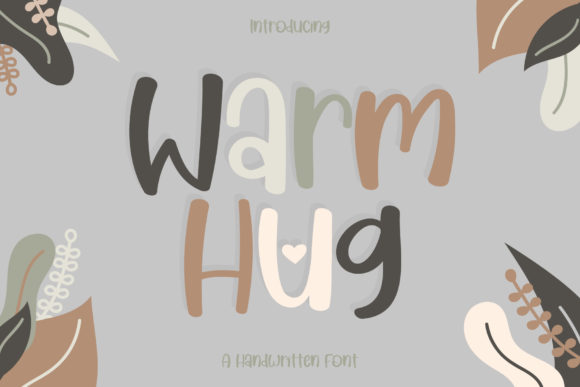
Warm Hug is a round, handwritten script font with a neat, friendly personality. It’s not overly cursive or dramatic, which makes it perfect for small businesses that want to feel approachable without looking unprofessional. The letters are soft, slightly bouncy, and have that "just written by hand" charm—without the messiness of actual handwriting.
Why Typography Matters for Small Business Branding
Before I found Warm Hug, I hadn’t given much thought to fonts. I used what was available or looked "cute." But after redesigning my candle labels with Warm Hug, I realized how much typography affects first impressions. It’s not just about looking good—it’s about feeling right.
Typography shapes how customers perceive your brand before they even read a word. A clean, consistent font like Warm Hug helps your business look more polished and trustworthy. It ties together your packaging, social media, and printed materials into one cohesive brand identity.
How I Used Warm Hug Across My Brand
I started with product labels, but Warm Hug quickly became my go-to font for almost everything. I used it on:
- Candle jar labels for product names and scent descriptions
- Thank-you cards for custom orders
- Social media graphics to highlight new collections
- Business cards with a soft, handwritten logo
- Packaging tags and stickers for gift sets
Each time, it added a sense of warmth and personality. It wasn’t just about making things look nice—it was about making my brand feel human. Customers began to notice the attention to detail, and I started getting more compliments on my packaging design.
Where Warm Hug Works Best
Warm Hug is a display font, which means it shines in short bursts—logos, headlines, product names, and decorative accents. It’s not ideal for long paragraphs or body text, but that’s okay. It’s meant to draw attention, not to be read for pages.
For example, I used it as the main font on my candle labels for the product name and paired it with a clean sans serif font for the ingredients list. This contrast made the design more readable and visually balanced. The same approach worked well for my Instagram stories and website banners.
Readability Tips for Real-World Use
When using Warm Hug—or any handwritten font—it’s important to keep readability in mind, especially for small labels or mobile screens. I found that using slightly larger text sizes helped maintain clarity on candle jars and product tags. For digital use, I made sure to avoid overly busy backgrounds so the text would stand out clearly.
On printed packaging, I tested the font at different sizes to ensure it wasn’t too delicate. For digital mockups, I made sure the font scaled well on both desktop and mobile views. These small tweaks made a big difference in how professional everything looked.
Pairing Warm Hug With Other Fonts
One of the best things about Warm Hug is how well it pairs with other fonts. I found that combining it with a simple sans serif like Montserrat or Lato created a clean, modern contrast. For a more elegant look—like on thank-you cards—I used a soft serif font like Playfair Display.
Font pairing helps create visual hierarchy and makes your brand feel more intentional. I stuck to two or three fonts max across all materials to keep things consistent. Warm Hug always played the role of the “personality” font—used for names, titles, and highlights.
What to Check Before Using Warm Hug Commercially
As a small business owner, I learned early on that font licensing matters. Before using Warm Hug on product packaging, stickers, or digital templates, I made sure it came with a commercial license. Most premium fonts like this include clear licensing information, so it’s always worth checking before you start using them in client work or for resale.
Also, I made sure the download included multiple file formats—like OTF and TTF—so I could use the font across different design tools. Some versions also include ligatures, alternates, and multilingual support, which came in handy when designing for international customers.
Small Change, Big Impact
Switching to Warm Hug wasn’t a dramatic overhaul—it was a small, thoughtful change. But it made my brand feel more cohesive and intentional. Customers began to recognize my packaging before even reading the label. My social media posts looked more polished. My business cards felt like a natural extension of my products.
Typography isn’t just for designers. It’s a tool for small business owners to build trust, create memorable visuals, and stand out in a crowded market. And sometimes, all it takes is one warm, friendly font to make your brand feel like a real person behind the product.